Best Times for Catch Basin Installations
Determining the optimal time for catch basin installations depends on several factors including weather conditions, project scope, and local regulations. Typically, installations are most effective during periods of moderate weather when ground conditions are stable, and there are minimal disruptions from adverse weather events. Proper timing ensures efficient construction and reduces the risk of delays caused by heavy rain or freezing temperatures.
Spring offers moderate temperatures and longer daylight hours, facilitating efficient installation processes. It also allows for proper drainage setup before heavy rain seasons.
Summer provides warm weather ideal for construction, but extreme heat may require additional precautions to ensure worker safety and material integrity.
Fall can be suitable for installations before winter, reducing the risk of snow and ice interfering with work. It offers stable ground conditions in many regions.
Winter installations are generally discouraged due to frozen ground, snow, and unpredictable weather, which can hinder progress and affect quality.
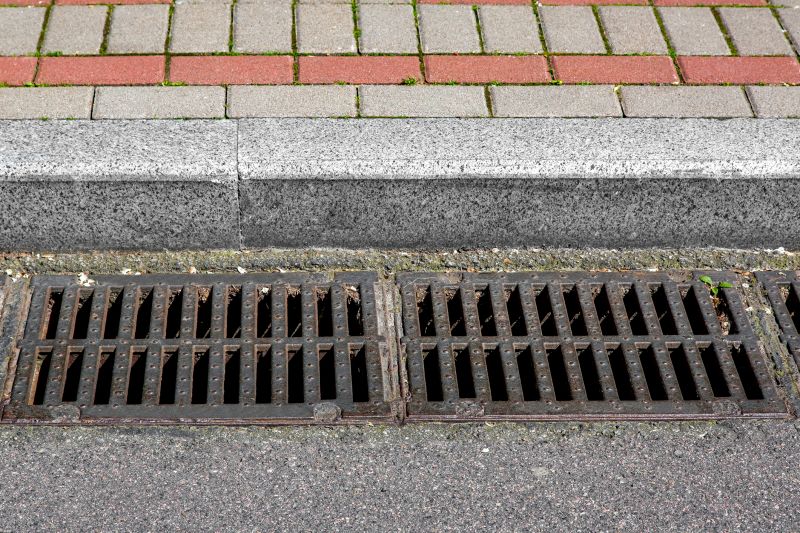
Ways to make Catch Basin Installations work in tight or awkward layouts.
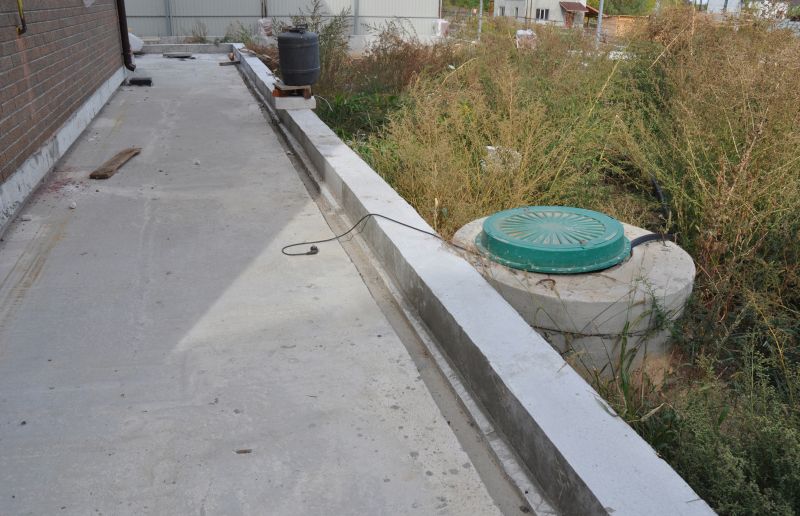
Popular materials for Catch Basin Installations and why they hold up over time.
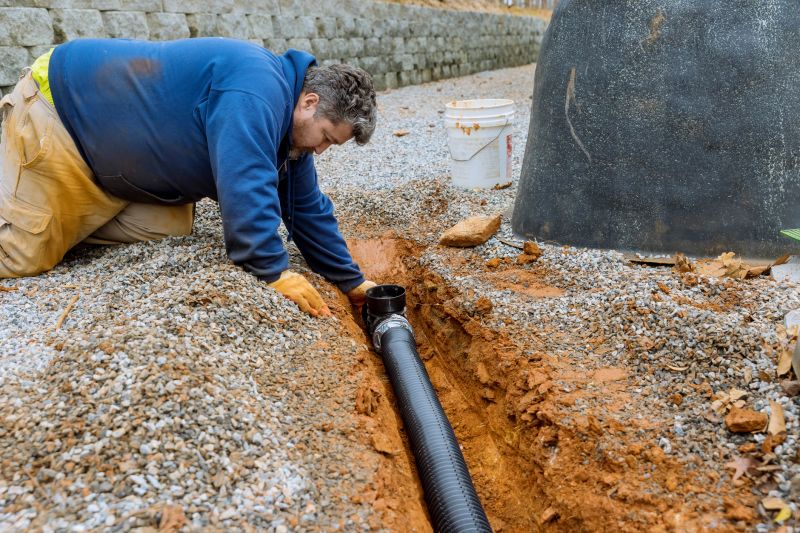
Simple add-ons that improve Catch Basin Installations without blowing the budget.
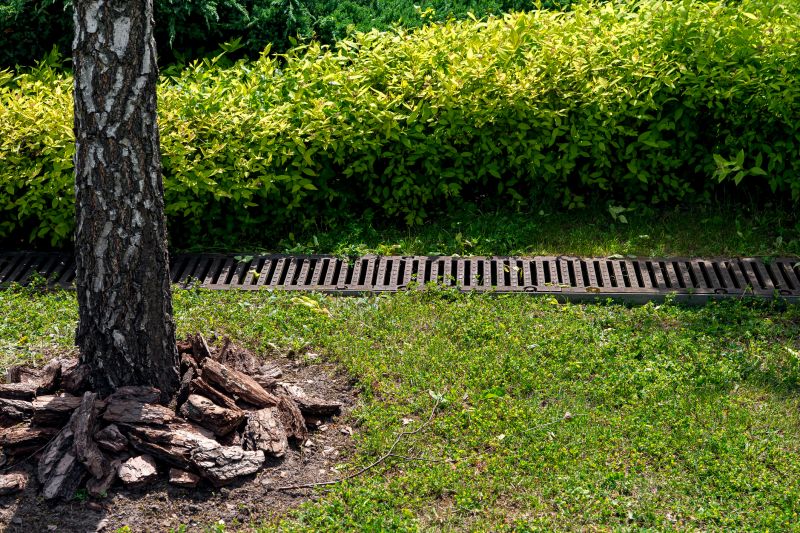
High-end options that actually feel worth it for Catch Basin Installations.
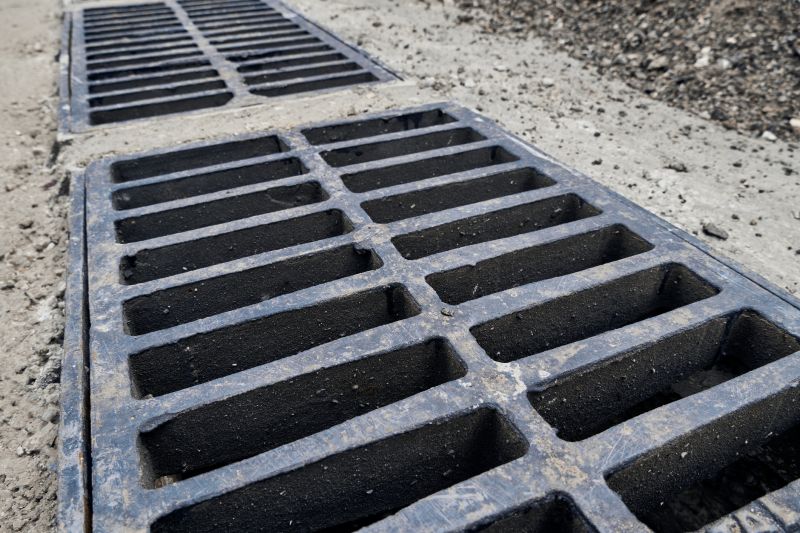
Finishes and colors that play nicely with Catch Basin Installations.
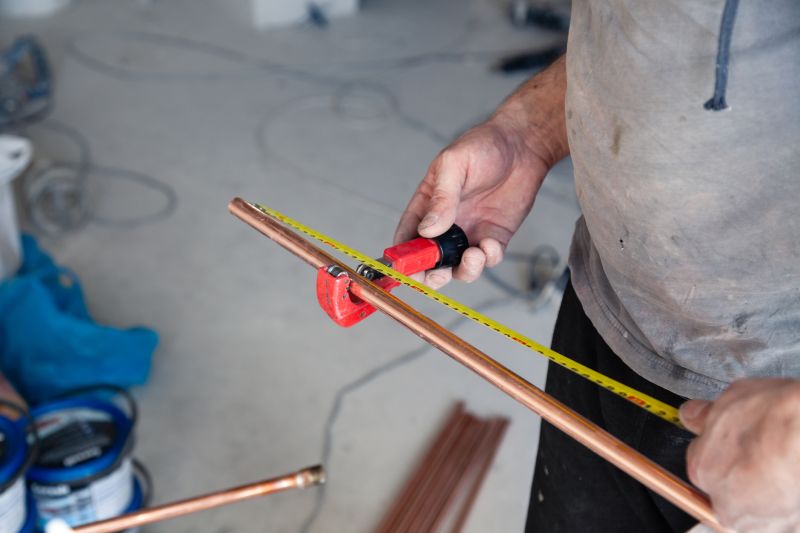
Little measurements that prevent headaches on Catch Basin Installations day.
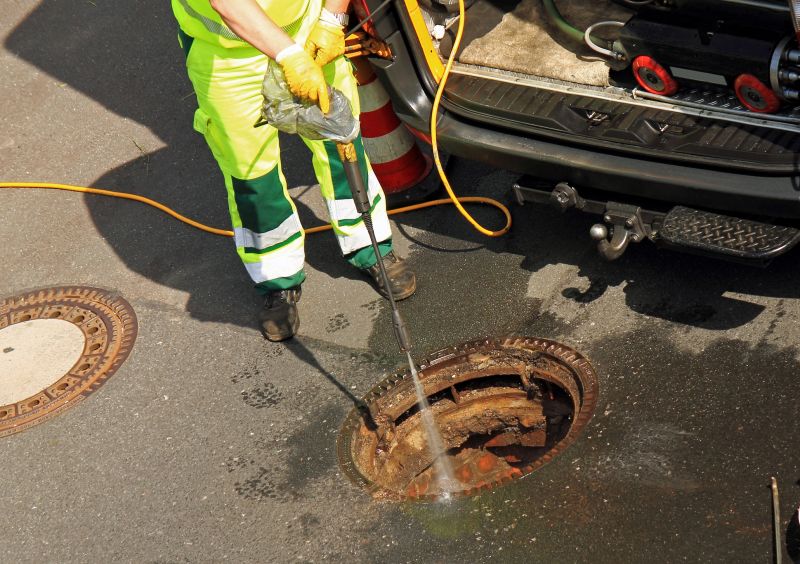
A 60-second routine that keeps Catch Basin Installations looking new.
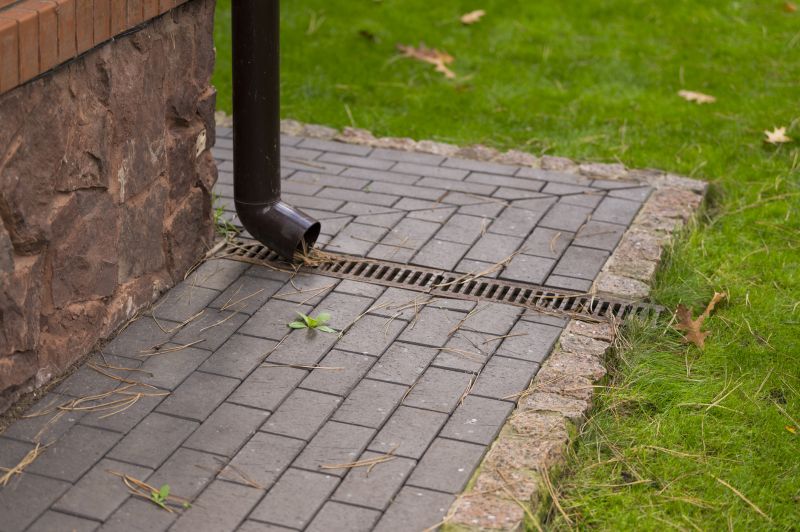
A frequent mistake in Catch Basin Installations and how to dodge it.
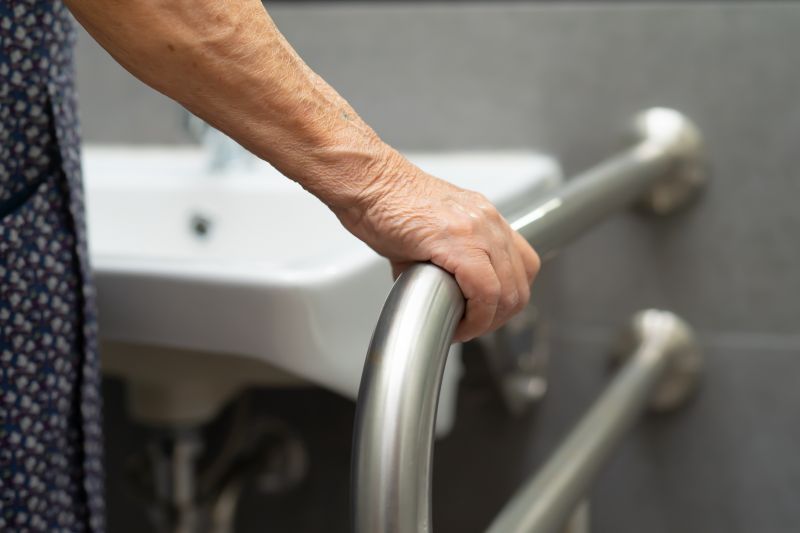
Small tweaks to make Catch Basin Installations safer and easier to use.
Catch basin installations play a crucial role in managing stormwater runoff, preventing flooding, and protecting infrastructure. These systems are typically installed in areas prone to water accumulation, such as parking lots, roadways, and landscaped areas. Proper installation involves precise placement and connection to existing drainage systems, ensuring effective water flow and minimal disruption. The process includes excavation, setting the basin, and connecting inlet and outlet pipes, often requiring careful planning and adherence to local standards.
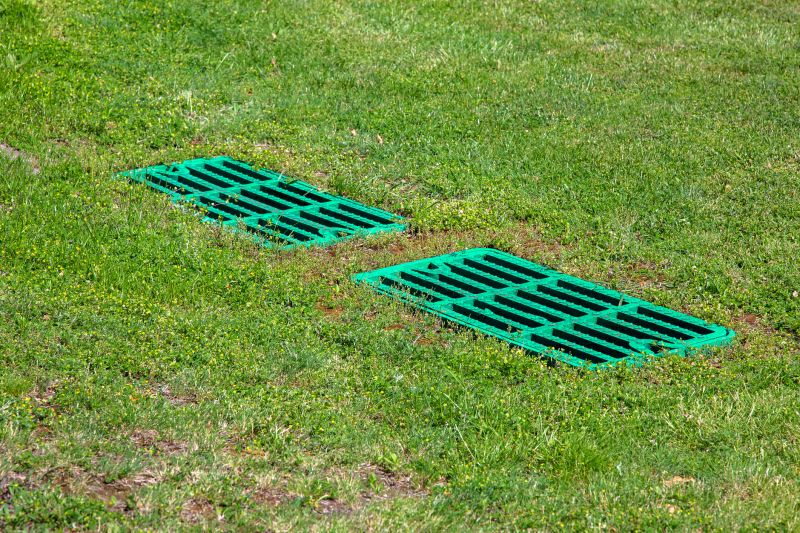
Lower-waste or water-saving choices for Catch Basin Installations.
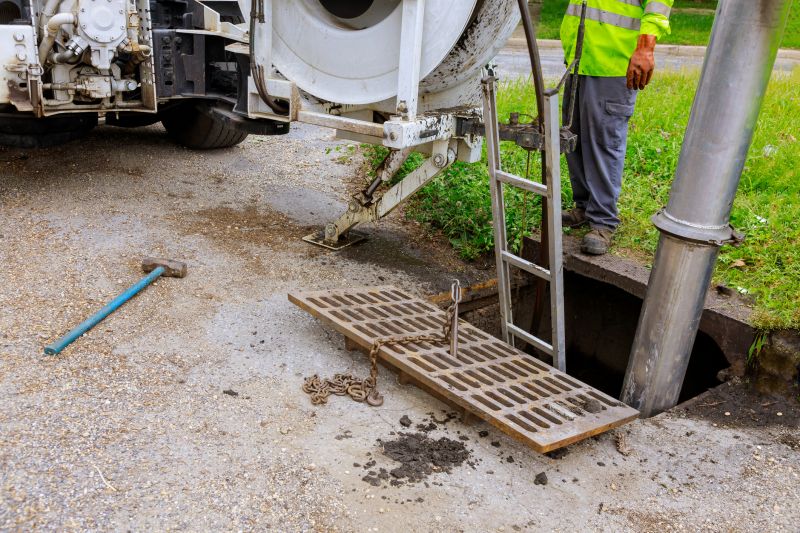
The short, realistic tool list for quality Catch Basin Installations.
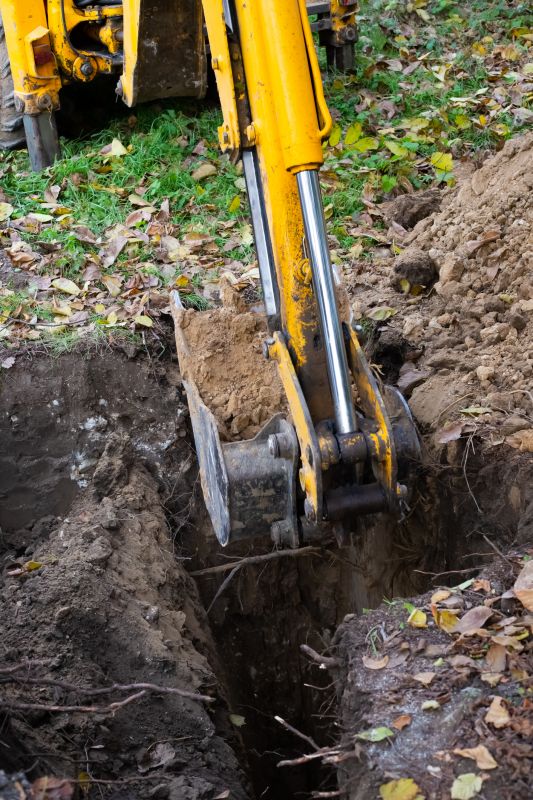
Rough timing from prep to clean-up for Catch Basin Installations.
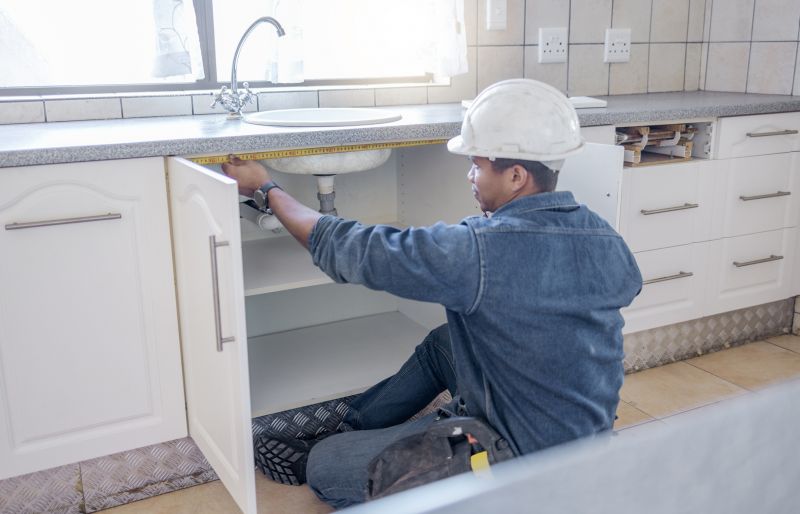
Quick checks and paperwork to keep after Catch Basin Installations.
Choosing the right time for catch basin installation ensures long-term performance and minimizes maintenance needs. Conducting installations during favorable weather conditions reduces risks associated with soil instability and material curing. Proper timing also aligns with project schedules, allowing for efficient resource allocation and adherence to construction timelines.
Interested in scheduling a catch basin installation? Filling out the contact form provides an opportunity to discuss project specifics, timelines, and requirements to ensure optimal results.